






























Why the Nordic market shaped modern pouch culture
Modern pouch culture — the can, the gesture, the etiquette — was rehearsed for generations in the Nordics before it went global. How that heritage shaped the category.
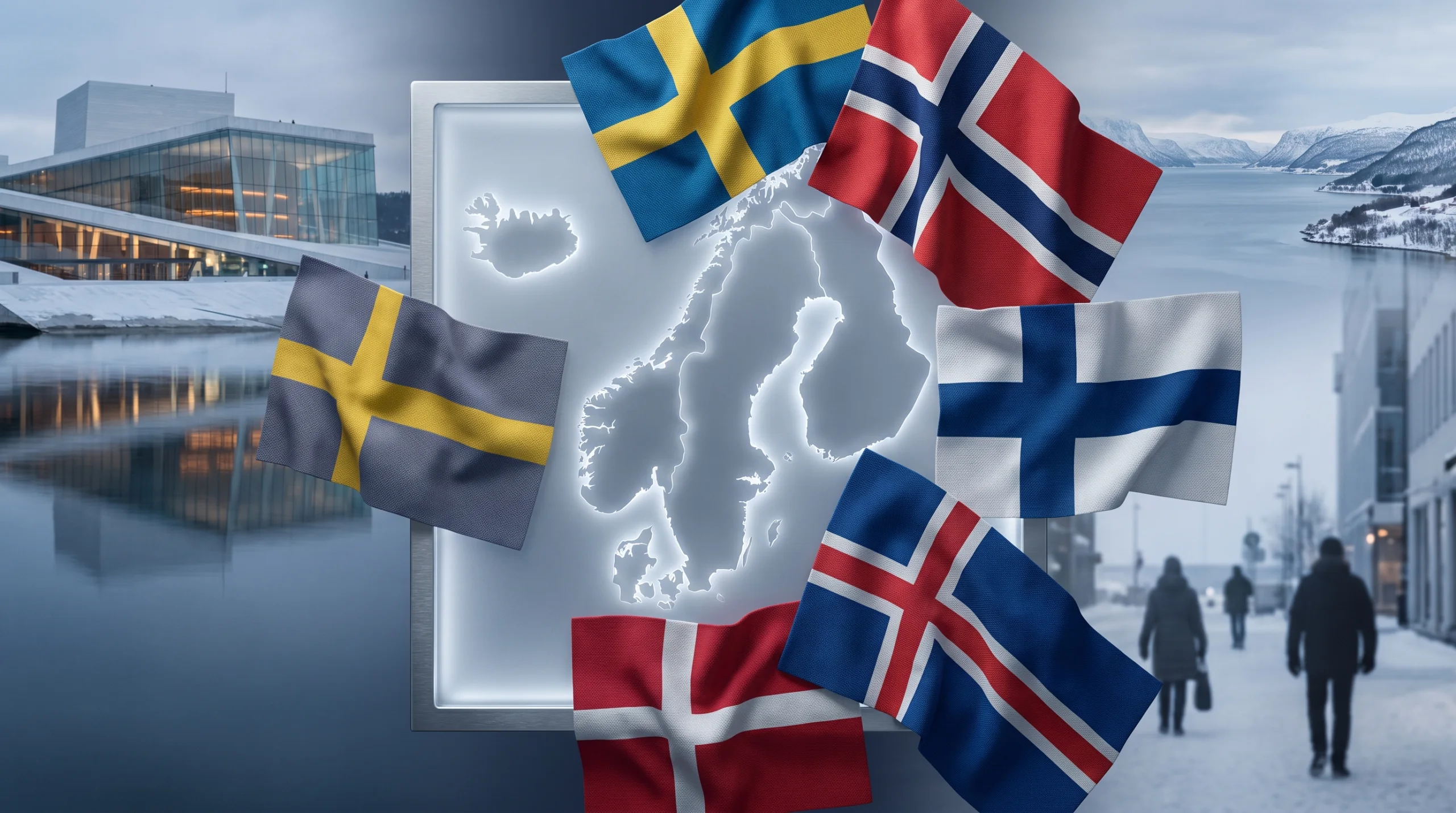
The modern nicotine pouch looks like a global product — the same white portions, the same round cans, from Stockholm to markets far beyond. But the culture around it is not globally invented. Nearly every convention the category runs on was rehearsed for generations in one region: the Nordics, and Sweden above all. Understanding that inheritance explains a surprising amount about why pouches are the way they are.
A region with the habit already installed
Long before white pouches existed, the under-the-lip habit was ordinary daily life across much of the Nordics through snus — the traditional oral tobacco whose relationship to modern pouches is mapped in from snus to nicotine pouches. That mattered in a specific way: when tobacco-leaf-free pouches arrived, they did not have to teach their home market anything. The gesture, the can in the pocket, the portion under the lip, the social legibility of it all — installed. The product could iterate on execution because the culture already existed.
An unusual regulatory landscape as incubator
The Nordic region has also long been a patchwork for oral nicotine — the availability of traditional snus has differed sharply between neighbouring countries for decades, with Sweden the notable keeper of the tradition. Whatever one thinks of any particular rule, the patchwork had a formative effect: it kept oral nicotine culturally alive where it was permitted, created practised consumers and manufacturers, and made the region a natural first market when a tobacco-leaf-free descendant appeared — one that could travel into places the traditional product could not. The general mechanics of such divergence are covered in why nicotine pouch rules differ by country.
What the Nordics gave the category
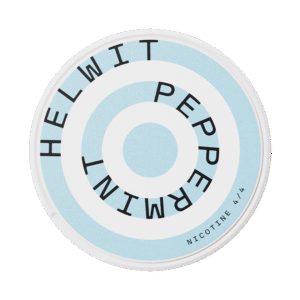
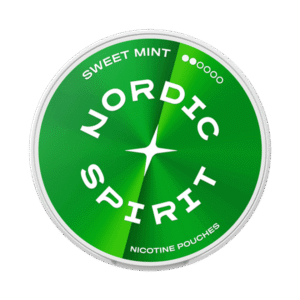
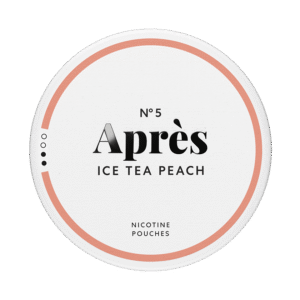
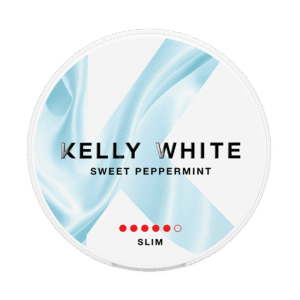
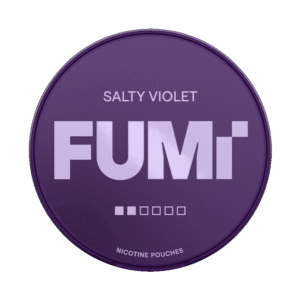
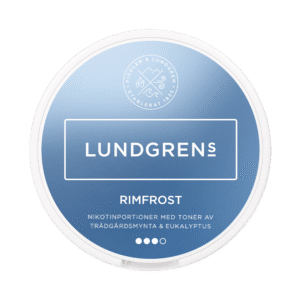
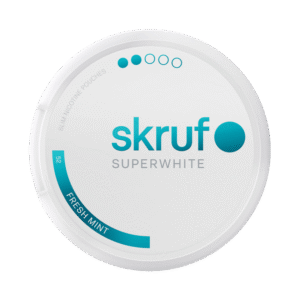
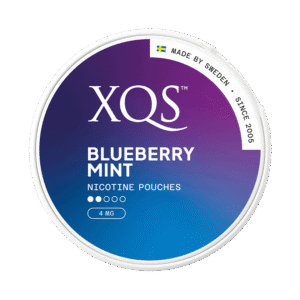
- The format language. Portion pouches, the round can, the catch lid, slim-versus-regular cuts — the design vocabulary evolved through Nordic oral-tobacco practice, then transferred wholesale; the lineage is traced in how formats and packaging evolved.
- The etiquette. Discreet placement, no spitting, used pouches into the lid — norms that make the product socially workable, learned over generations rather than written by any brand.
- The manufacturing base. The companies, process knowledge and quality culture that could execute white pouches at scale were concentrated where the tradition lived.
- The flavour sensibility. The mint-forward, fresh-leaning palate the global category defaults to reflects its first market’s taste — a bias still visible on every shelf, as the flavour landscape shows.
The export, and what changed in transit
When pouches went global, the Nordic template travelled — but not unchanged. New markets brought new palates (sweeter and fruitier profiles gained ground), new regulatory postures reshaped strengths and labels border by border, and the product’s identity shifted from “modern snus” toward a category of its own with no tobacco story attached. What is striking is how much survived transit anyway: pick up a can anywhere and you are holding a design, a gesture and an etiquette with a specific regional biography.
Key takeaways
- The Nordics supplied the category’s format language, etiquette, manufacturing base and default palate.
- A regional patchwork of oral-nicotine rules kept the tradition alive and made the region the natural first market.
- Globalisation adjusted flavours, strengths and identity — but the core conventions travelled intact.