






















Nicotine pouch flavours explained
From cooling mint to fruit, berry, citrus and coffee: a map of the nicotine pouch flavour landscape and how to navigate it to profiles you will actually enjoy.

Flavour is where the nicotine pouch category shows its personality. Strength is arithmetic and format is geometry, but flavour is taste — and the range runs far wider than the wall of mint suggests. This guide maps the main flavour families, explains why mint dominates anyway, and gives you a practical route to finding profiles you will genuinely enjoy.
Why mint dominates
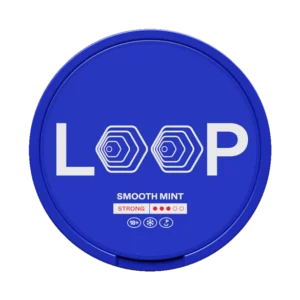
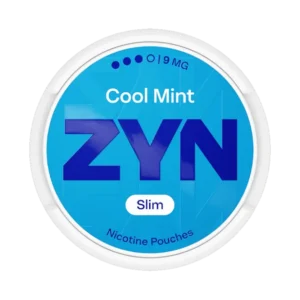
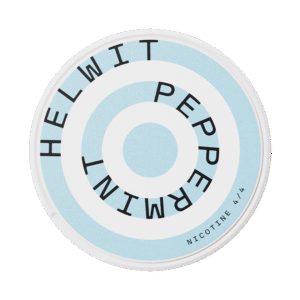
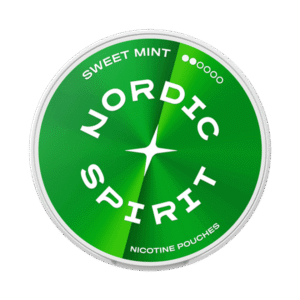
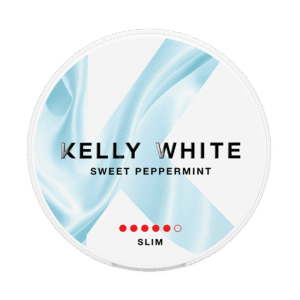
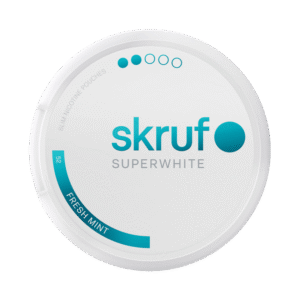
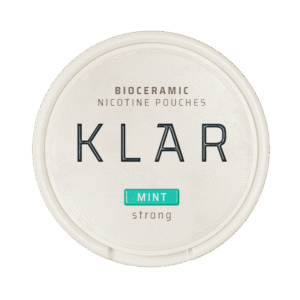
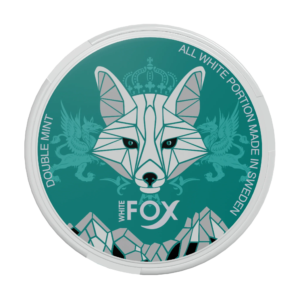
Mint is not the majority profile by accident. Cooling compounds suit the under-lip habit unusually well: the fresh sensation complements the tingle of the pouch, reads as clean breath rather than as a flavoured product, and stays pleasant across a long session where sweeter profiles can tire. The mechanics of that cooling feeling — and the differences between spearmint, peppermint and pure “ice” profiles — get their own explainer in mint nicotine pouches and the cooling sensation.
The main flavour families
Most products on the market sort into a manageable set of recurring characters. PouchPick’s catalogue model sorts them into fifteen flavour families, and learning them — rather than individual product names — is the fastest way to navigate any range:
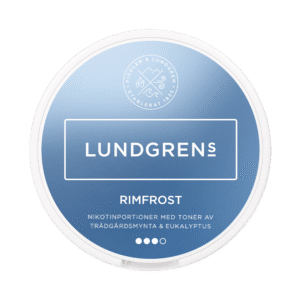
- Mint — spearmint, peppermint and icy menthol-style profiles. The category’s centre of gravity.
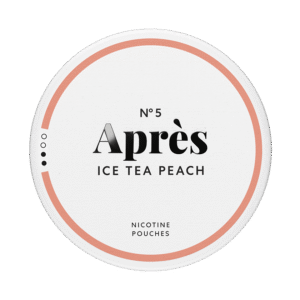
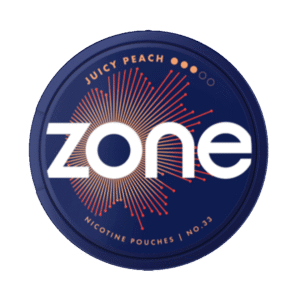
- Fruit — soft orchard and stone fruit: apple, peach, pear.
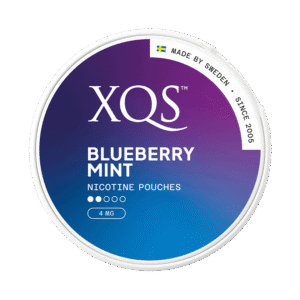
- Berry — blueberry, blackcurrant and raspberry-led profiles.
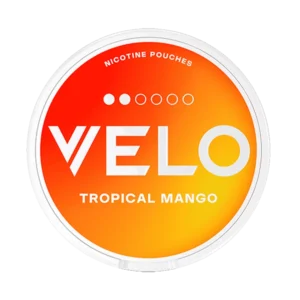
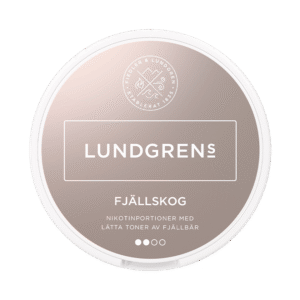
- Tropical — mango, pineapple and other warm-climate profiles. Fruit, berry and their citrus neighbours are mapped in detail in fruit, berry and citrus flavours.
- Citrus — lemon, lime and bergamot-leaning profiles; bright and sharp rather than sweet.
- Watermelon — light, sweet and summer-leaning enough that the catalogue treats it as its own family rather than a fruit subtype.
- Coffee — roasted, mellow profiles that sit closer to an espresso note than to a dessert.
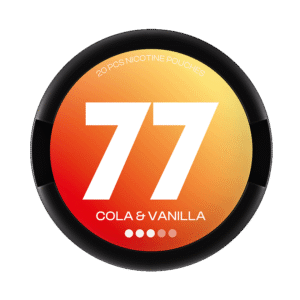
- Cola — soft-drink profiles built on the classic cola note.
- Energy — profiles modelled on energy-drink flavours.
- Fizzy — sherbet and soda-fizz profiles where the sparkle is the point.
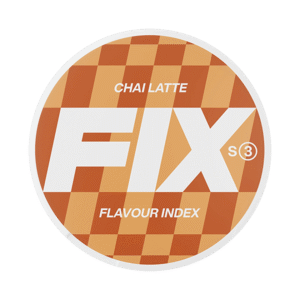
- Candy & dessert — sweeter profiles: vanilla, caramel and sweet-shop tastes.
- Licorice — dark, rounded, Nordic-leaning sweetness.
- Spicy & herbal — cinnamon, ginger and herb-led profiles for users who want warmth instead of cold.
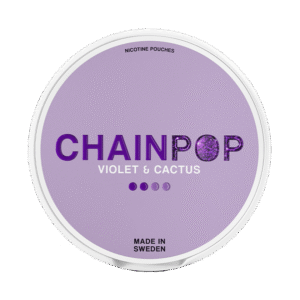
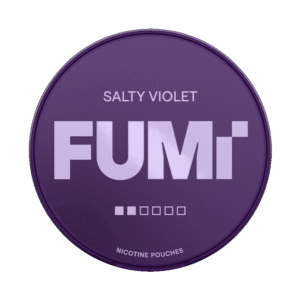
- Floral & exotic — elderflower and other perfumed, out-of-the-ordinary profiles.
- Tobacco — profiles that echo the taste heritage of traditional oral tobacco without containing leaf. A niche, but a loyal one.
These fifteen are the catalogue’s own vocabulary — the same families PouchPick uses to organise its range — though on the shelf you will still meet them through product names. You can explore the current range in the shop.
How flavour actually behaves in a pouch
A pouch is not candy: the flavour arc matters more than the first impression. Expect three phases — an immediate burst in the first minutes, a long settled middle that is the profile’s true character, and a gradual fade. Products differ most in the middle phase: a good profile stays interesting at minute twenty-five, not just at minute one. This is why judging any flavour on a single pouch is unreliable, and why our choosing guide recommends judging across a full can.
Flavour also interacts with strength — mostly by masking it. The cooling agents used in pouches have mild numbing properties that soften nicotine’s tingle, and sweetness masks its bitter edge — one reason strong products so often arrive in mint and ice profiles. Two products with identical milligrams can still sit apart in perceived intensity purely on profile — worth remembering before blaming the number on the can, as explained in the strength guide.
Finding your profile
- Start from what you drink. If your taste runs to espresso, try coffee or tobacco profiles first; if you reach for sparkling water and citrus, start bright rather than sweet; if dessert is your thing, give the candy & dessert family a chance before assuming it’s too much.
- Run a two-can test. One mint, one non-mint, same strength. The comparison teaches you your own taste faster than any description.
- Note the finish, not the first minute. The profile you can still enjoy at the end of a session is the one to rebuy.
Key takeaways
- Mint dominates because cooling suits the under-lip format — but the landscape is much wider.
- Learn the families, not individual product names — PouchPick’s catalogue model sorts them into fifteen, from mint, fruit and berry through coffee and licorice to tobacco.
- Judge a flavour by its settled middle phase across a full can, never by the first pouch.
- Flavour changes perceived strength — mostly by masking it: cooling and sweetness both soften nicotine’s edge, so trust the printed mg over the first impression.
Sources
- Nicotine Pouch Unit Sales in the US, 2016-2020 — JAMA (Marynak KL et al., 2021 — peer-reviewed, via PubMed Central) Accessed September 28, 2026
- Monitoring Sales: Nicotine Pouch Trends — Data Brief, August 2025 — CDC Foundation (Tobacco Epidemic Evaluation Network; Circana retail POS data) Accessed September 28, 2026
- Monitoring a Changing Tobacco Product Market in the United States — Truth Initiative Accessed September 28, 2026
- Pre- and Post-Flavor Ban Oral Nicotine Pouches: A Chemical, Sensory, and Young Adult Appeal Analysis — Tobacco Control (Peraza et al. — peer-reviewed, via PubMed Central) Accessed September 28, 2026
- Coolants, organic acids, flavourings and other additives that facilitate inhalation of tobacco and nicotine products: implications for regulation — Tobacco Control (Talhout & Leventhal, 2024 — peer-reviewed, via PubMed Central) Accessed September 28, 2026
- High-Intensity Sweeteners in Alternative Tobacco Products — Nicotine & Tobacco Research (Miao et al., 2016 — peer-reviewed) Accessed September 28, 2026
- Chemosensory Contributions of E-Cigarette Additives on Nicotine Use — Frontiers in Neuroscience (Johnson et al., 2022 — peer-reviewed, via PubMed Central) Accessed September 28, 2026