

























From snus to nicotine pouches: how the categories differ
Nicotine pouches inherited snus's under-the-lip habit but not its tobacco. What the two categories share, where they genuinely differ, and why it matters.

Every conversation about nicotine pouches eventually reaches the word snus — and usually confuses the two within a sentence. The confusion is understandable: the products look related, sit in the same place under the lip, and share a family tree. But they are genuinely different categories, and the differences run through composition, appearance, regulation and culture. This piece separates them properly.
The inheritance
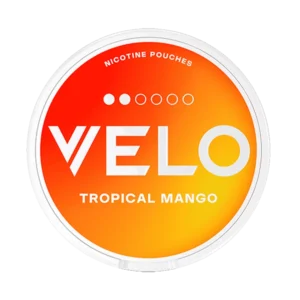
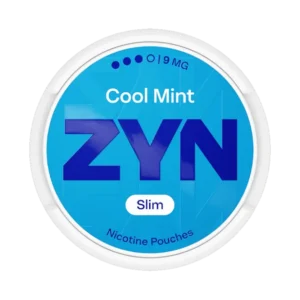
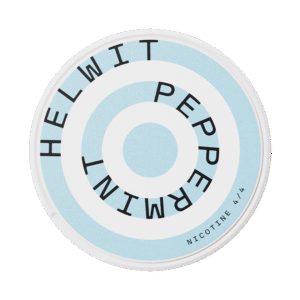
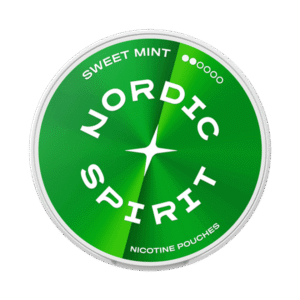
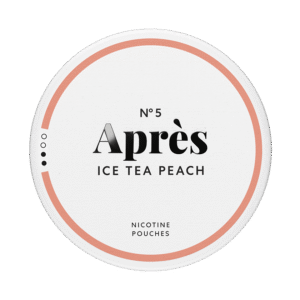
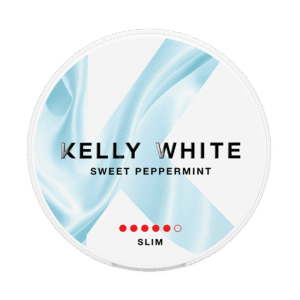
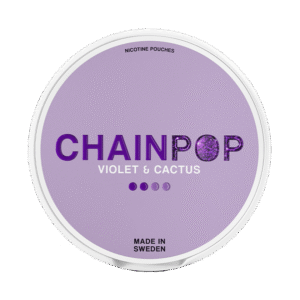
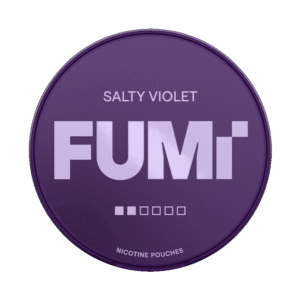
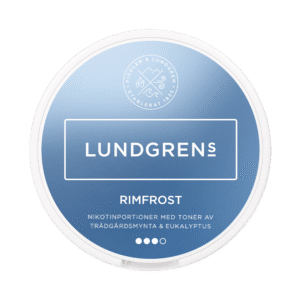
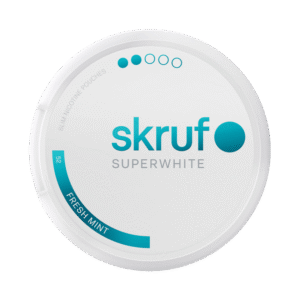
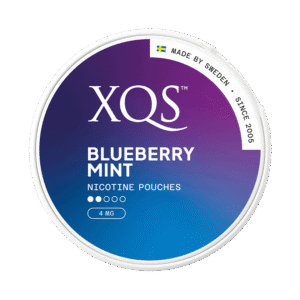
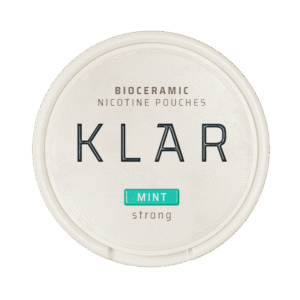
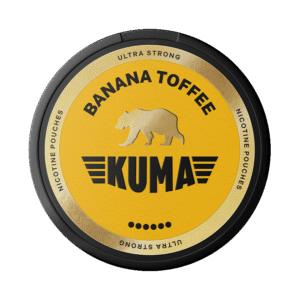
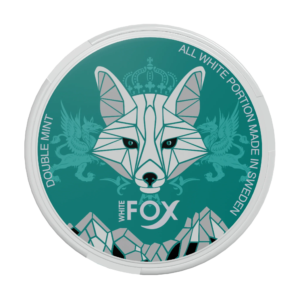
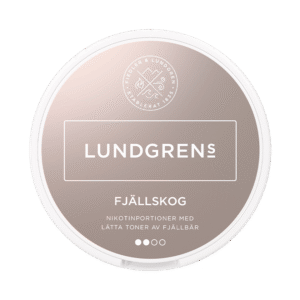
Snus is a traditional Nordic oral tobacco: moist, ground tobacco leaf, used loose or in portion pouches placed under the upper lip. Its central habits — the under-lip placement, the portion pouch, the round can with a catch lid, the spit-free use — turned out to be the category’s durable inventions. Modern nicotine pouches kept all of them. What they removed is the defining ingredient: there is no tobacco leaf in a modern white pouch at all. The nicotine remains — extracted and purified, or synthetic — carried on plant-fibre filler instead of tobacco, as unpacked in our category introduction.
The differences that matter
| Snus | Nicotine pouches | |
|---|---|---|
| Contains tobacco leaf | Yes — its defining ingredient | No — plant-fibre filler carries the nicotine |
| Appearance | Brown, moist, tobacco-scented | White, dry-to-moist, flavour-scented |
| Taste base | Tobacco first; flavouring on top | Flavour only — mint to fruit to coffee |
| Staining | Can discolour teeth over time | The white blend avoids tobacco staining |
| Regulatory treatment | Regulated as tobacco | Varies — often its own category (see below) |
The composition difference is not cosmetic. It changes what the product smells and tastes like, how it behaves in the can, how discreet it is in use — and, crucially, which box the law puts it in.
Why the legal split matters
Snus, containing tobacco, slots cleanly into tobacco law everywhere. Tobacco-leaf-free pouches do not — they arrived after most tobacco frameworks were written, and different countries have sorted them differently ever since. That single classification question explains most of the category’s odd geography: why availability, strength caps and labelling differ so much from one border to the next. The mechanics of that divergence are covered in why nicotine pouch rules differ by country.
Culture: same gesture, new audience
Culturally, pouches did something interesting: they detached a deeply Nordic habit from its tobacco identity and made it exportable. The gesture — can in the pocket, pouch under the lip, no smoke, no spitting — reads the same in Stockholm as anywhere else; without the tobacco, it travelled to markets snus never reached and to users snus never attracted. How the Nordic origin shaped the whole modern category — from can design to flavour conventions — is the subject of why the Nordic market shaped modern pouch culture, and the product-design lineage continues in how formats and packaging evolved.
Answering the common confusions
- “Nicotine pouches are just snus.” No — no tobacco leaf, different taste base, different regulation. Shared ancestry, separate categories.
- “White snus” / “all-white snus”. Marketing-era shorthand you will still meet; it usually means tobacco-leaf-free pouches, but the wording blurs exactly the line that matters. Prefer “nicotine pouches”.
- “They’re used differently.” Barely — the under-lip technique is the shared inheritance. What differs is everything around it.
- “One is harmless.” Neither is. Both deliver nicotine, which is addictive; both are adult products. The difference is composition and regulation, not the presence of risk.
Key takeaways
- Snus contains tobacco leaf; modern nicotine pouches contain none — that is the category line.
- Pouches inherited snus’s format and habits, then swapped the contents.
- The classification difference drives the legal difference, country by country.
- Both are addictive nicotine products for adults — “tobacco-free” never means “risk-free”.