



























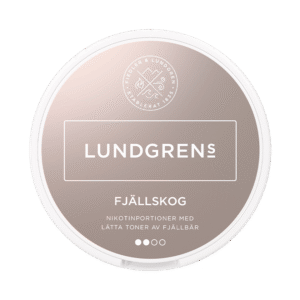
Why nicotine pouch rules differ by country
The same white can is a consumer product in one country and a restricted item in the next. The structural reasons nicotine pouch regulation varies so much.

Travel with nicotine pouches — or just read about them from two different countries — and you meet a puzzle: the identical product is an everyday consumer item in one place, age-gated and strength-capped in another, and effectively unavailable in a third. None of that is random. This explainer covers the structural reasons pouch rules diverge, so the differences stop being surprising even though the specifics always need checking locally.
The root cause: a product that arrived between categories
Most consumer law sorts products into long-established boxes: tobacco products, medicines, foods, general consumer goods. Tobacco-leaf-free nicotine pouches arrived recently and fit none of those boxes neatly — they contain nicotine like tobacco products, but no tobacco; they deliver a substance like medicines, but for no therapeutic purpose; they sit in the mouth like confectionery, but are emphatically not food. Different legal systems resolved that ambiguity differently, and every downstream difference follows from that first sorting decision.
The main regulatory postures
Without naming jurisdictions — the specifics change, and this article is not legal advice — the approaches cluster into recognisable postures:
- Tobacco-adjacent treatment — pouches regulated alongside tobacco products: age limits, warning labels, advertising restrictions, sometimes taxation on the same footing.
- Dedicated nicotine-product rules — purpose-built law for the category, often with strength ceilings, labelling standards and notification duties for manufacturers.
- General consumer-product treatment — pouches sold under ordinary consumer-safety law, with fewer category-specific constraints. Often a transitional state while dedicated rules are drafted.
- Restriction or prohibition — sale limited to pharmacies, capped in strength, or not permitted at all.
Why neighbours disagree
Even countries with similar legal traditions land in different postures, because the inputs differ: public-health priorities and how each society weighs them, the history of oral tobacco locally (places with a snus tradition read pouches through that lens — a history sketched in from snus to nicotine pouches), the influence of existing tobacco-control frameworks, and simple legislative timing — a country that regulated last year works with a different evidence base than one that regulated five years ago. Rules also keep moving: strength caps, flavour rules and labelling requirements are actively evolving in many places, which is one of the forces behind the range changes described in why ranges change over time.
What this means for you, practically
- Never generalise from home. Your country’s posture tells you nothing about the next one’s.
- Check official sources, current-year. Customs authorities and government pages, not blogs — and re-check before each trip, per the travel checklist.
- Expect product differences across borders. The “same” product may be capped, relabelled or absent in the next market — that is regulation showing up on the shelf.
- Read claims critically. When you encounter confident statements about what is legal where, ask for the source and its date — regulatory claims without either are rumours. Evaluating sources is a skill of its own, taught in how to read nicotine pouch research.
Key takeaways
- Pouches arrived between legal categories; each country’s first sorting decision drives everything after it.
- The postures cluster: tobacco-adjacent, dedicated rules, general consumer law, restriction.
- History, health policy and legislative timing explain why similar countries diverge.
- For anything that matters, verify with official, current sources — this article is context, not law.