

































Travelling with nicotine pouches: what to check before you fly
Rules for nicotine pouches vary by destination, and finding out at the airport is the wrong time. A pre-flight checklist for travelling with pouches responsibly.
Quick answer
Whether you may bring nicotine pouches — and how many — depends on your destination’s rules, not your departure country’s. Check official sources for every country on your itinerary before you pack, keep pouches in their original labelled cans, and when the rules are unclear, carry less rather than more.
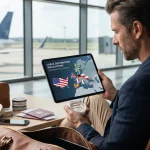
Nicotine pouches occupy different legal categories in different countries — permitted in some, restricted or effectively unavailable in others. This guide will not tell you what any specific country’s law says, because those rules change and generalisations age badly. What it gives you instead is the checklist: what to verify, where to verify it, and how to pack so that whatever you find, you are prepared.
Before you book anything else: three checks
- Destination rules. Are nicotine pouches legal to possess and bring in for personal use? Is there a quantity limit or an age threshold? The reliable answers come from official sources: the destination’s customs authority, government travel-advice pages for your citizenship, or an embassy. Retail sites and forums — this one included — are not the authority here.
- Transit rules. A connection is a jurisdiction too. If you change planes somewhere with strict rules, find out whether goods merely transiting airside are affected — do not assume.
- Airline policy. Airlines occasionally set their own conditions for nicotine products in cabin or hold baggage. A two-minute look at the airline’s restricted-items page removes the surprise.
Packing sensibly
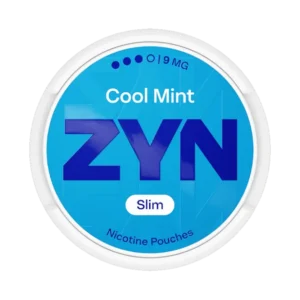
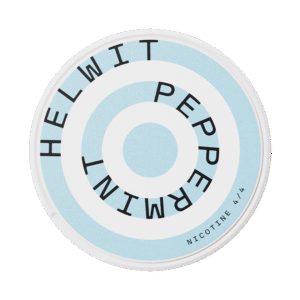
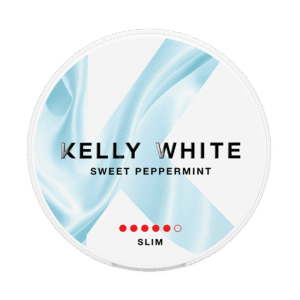
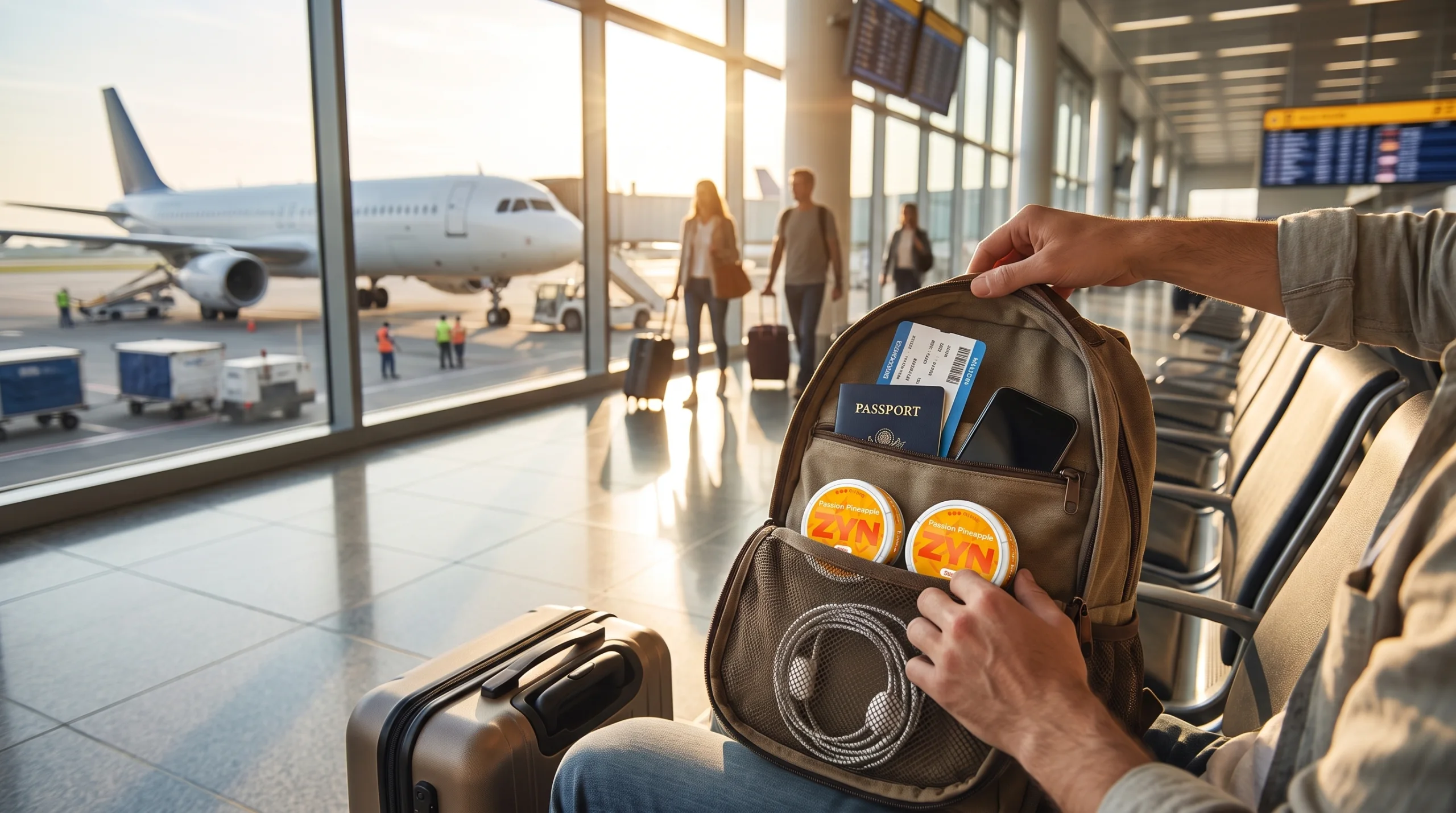
- Original cans only. A labelled can states brand, strength, ingredients and warnings — everything an inspection would want to see. Loose pouches in an unmarked container invite questions the packaging would have answered; the label’s anatomy is covered in how to read a nicotine pouch can.
- Personal-use quantities. Take what you will plausibly use on the trip. A reasonable number of cans reads as personal use; a suitcase layer of them reads as something else, whatever your intentions.
- Cabin bag, generally. Pouches are unaffected by cabin pressure and there is no liquid to declare; keeping them with you means checked-luggage mishaps can’t strand you without them — and you can answer questions about them directly if asked.
- Heat is the enemy on arrival. A glovebox in the sun does a can no favours; storage basics from the usage guide apply on the road too.
If the destination restricts pouches
Sometimes the honest answer from your research is “don’t bring them”. Respect it — customs rules are not negotiable at the desk, and penalties for nicotine products can be disproportionate to the value of a few cans. Options worth considering instead: plan around the trip’s length, or find out whether compliant products are sold locally at your destination. Why countries land on such different answers in the first place is the subject of why nicotine pouch rules differ by country.
Ordering ahead instead of packing
For some trips the simpler answer is not carrying product across a border at all but having it where you land — where that is legal and available. If you are considering ordering to a destination, the same verification applies to the retailer’s shipping rules; our own shipping destinations and terms are listed in the Help Centre’s orders & shipping section.
Key takeaways
- Verify destination, transit and airline rules with official sources — for every trip, every time.
- Original labelled cans, personal-use quantities, cabin bag: the low-friction packing formula.
- If the rules say no, the answer is no — plan around the trip instead.
- Rules change: what was true for last year’s trip is not automatically true for this one.