













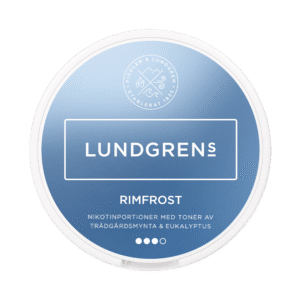

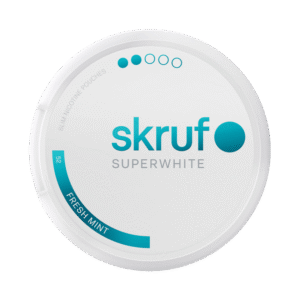

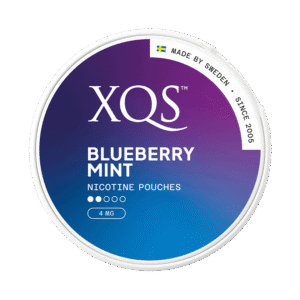


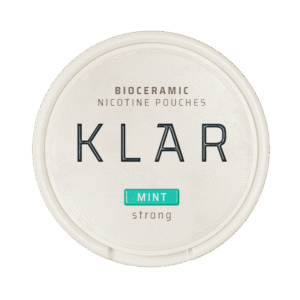


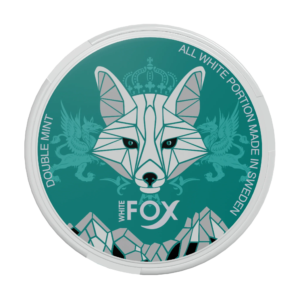

Mint nicotine pouches and the cooling sensation
Why mint pouches feel cold when nothing is cold: the cooling effect explained, the difference between mint profiles, and how cooling shapes perceived strength.
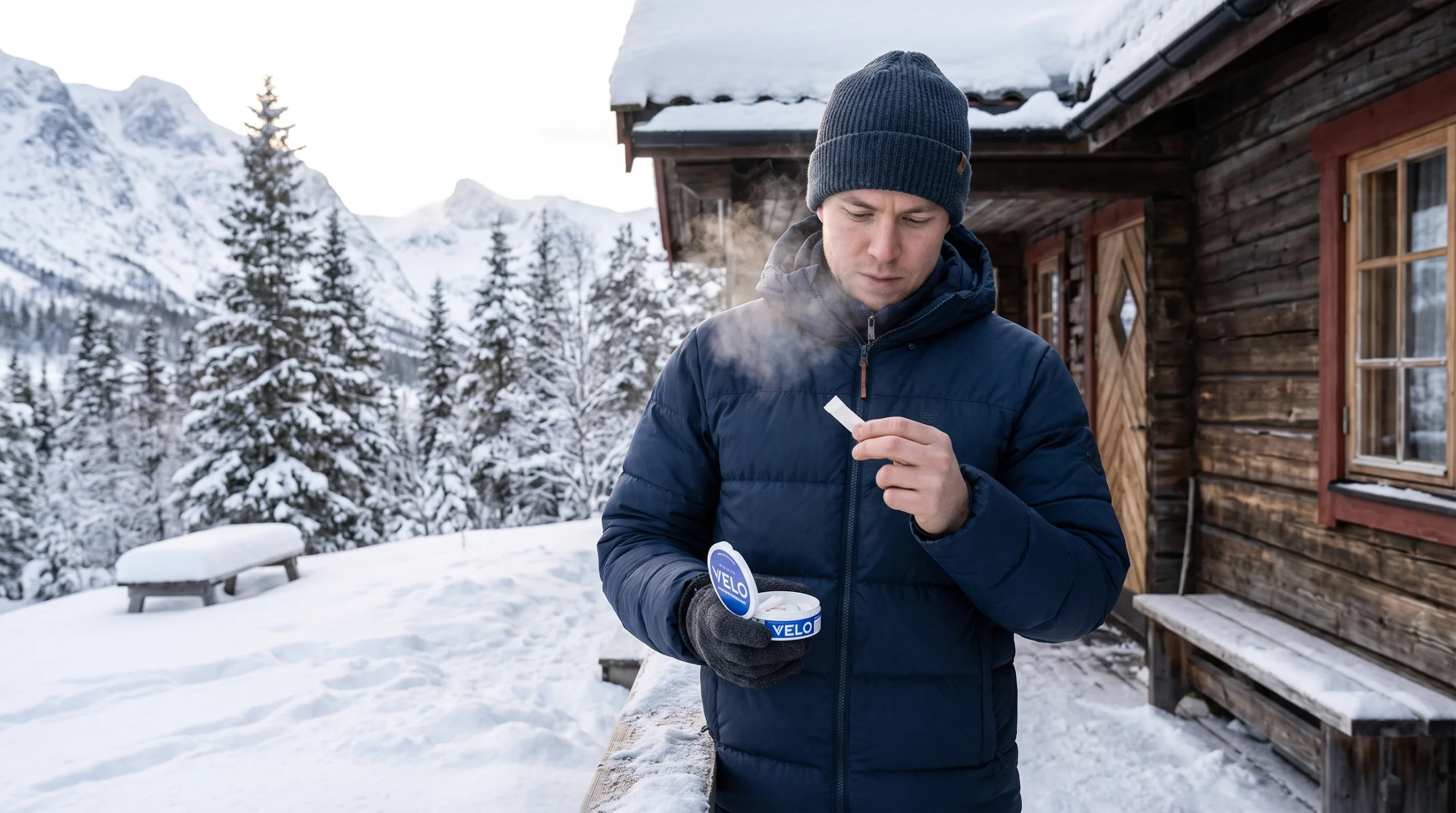
Put a mint pouch under your lip and within a minute it feels genuinely cold — though nothing about it is. That small illusion is the reason mint anchors the entire flavour landscape, and understanding it makes you noticeably better at choosing products. This explainer covers where the cooling feeling comes from, how mint profiles differ, and what cooling does to your sense of strength.
Cold without cold: how the sensation works
The temperature in your mouth doesn’t change. Menthol and related cooling compounds work by activating the same nerve receptors that normally respond to actual cold — so the nervous system reports “cold” while the thermometer disagrees. The sensation is neurological, not thermal, which explains its odd properties: it doesn’t fade the way an ice cube warms up, it revives when you draw in air, and it can linger after the pouch is out.
Modern products often split flavour and cooling into separate dials. Some cooling agents deliver the cold feeling with almost no minty taste at all — which is how “ice” products can taste of berry or nothing in particular while still freezing. Reading a mint product is really reading two things: how it tastes, and how hard it cools.
The mint spectrum
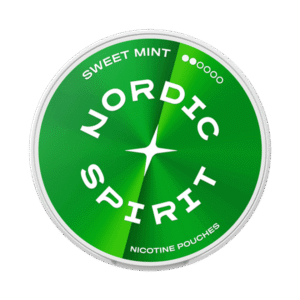
- Spearmint — the softest of the family: rounder, sweeter, gentler cooling. The usual recommendation for a first mint.
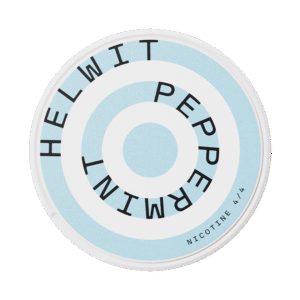
- Peppermint — sharper and more classically “toothpaste-fresh”, with firmer cooling.
- Menthol / ice — cooling as the main event; taste takes the back seat. Bracing at first, and the profile most likely to overwhelm a newcomer.
- Mint hybrids — mint layered under fruit or berry profiles, where the cooling carries a non-mint taste. A gateway in both directions, mapped further in fruit, berry and citrus flavours.
Cooling and perceived strength
Cooling amplifies the felt intensity of a pouch. The tingle of nicotine and the bite of menthol arrive through neighbouring channels, and most users experience them as one combined “strength”. Practical consequences:
- An icy 6 mg pouch can feel more intense than a mellow 8 mg one — the number is not lying, the cooling is shouting. See understanding strength for the other variables.
- If strong mint products feel harsh, try stepping the cooling down before stepping the milligrams down — spearmint at the same strength may be all the correction needed.
- First-time users should treat “extra ice” labels as an intensity warning, not a flavour description.
Common misunderstandings
- “The cooling means it’s working.” Cooling is flavour chemistry, not nicotine delivery. A pouch with zero cooling delivers its nicotine just as completely.
- “Mint is one flavour.” Spearmint and an ice profile share a family and almost nothing else — writing off all mint after one product is the most common flavour mistake in the category.
- “Stronger cooling = stronger nicotine.” The two are independent dials; plenty of light-strength products cool hard.
Key takeaways
- The cold feeling is neurological — cooling compounds trigger cold-sensing receptors while temperature stays unchanged.
- Taste and cooling are separate dials; “ice” describes intensity of cold, not mintiness of taste.
- Cooling raises perceived strength — adjust the profile before blaming the milligrams.
- Start mint at spearmint, not at ice.
For the wider map this family sits in, go back to nicotine pouch flavours explained.