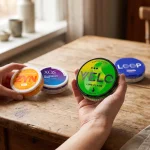




















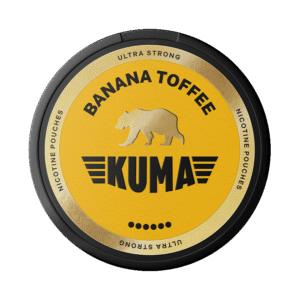

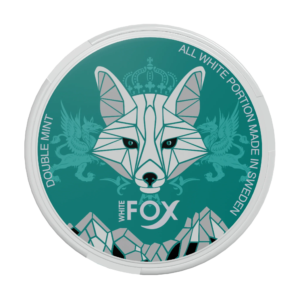

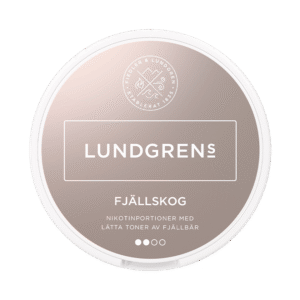
How to read a nicotine pouch can
Strength, format, flavour, warnings, dates: every nicotine pouch can carries the same core information. Learn to read any can in ten seconds.
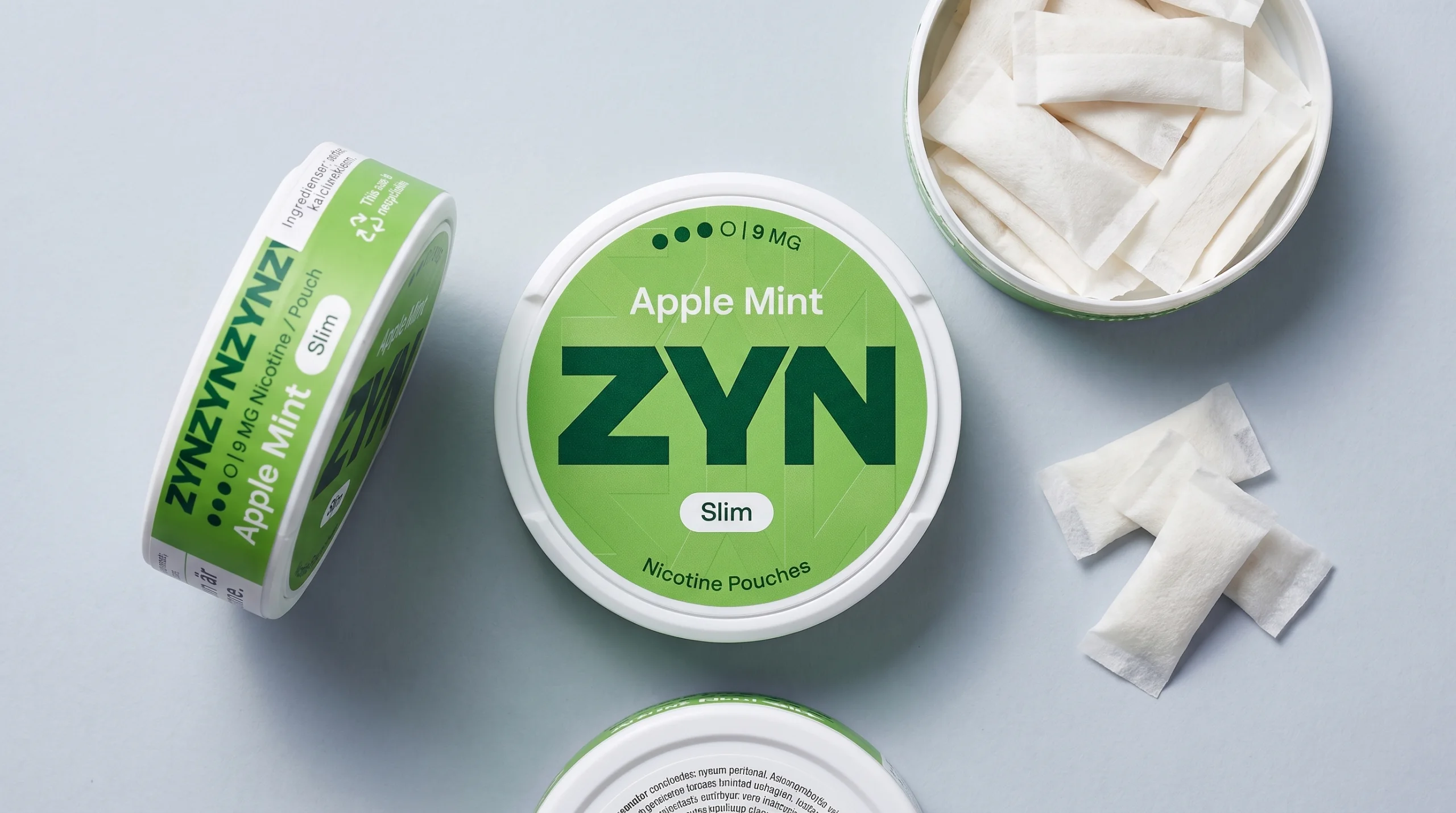
Every nicotine pouch can is a small information panel wearing a brand costume. Strip away the design language and the same core facts appear on almost every product — which means that once you can read one can, you can read them all. This explainer walks around the can, element by element.
The front: identity and intensity
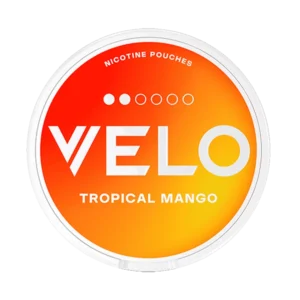
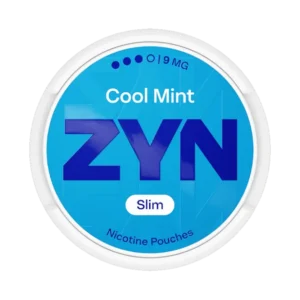
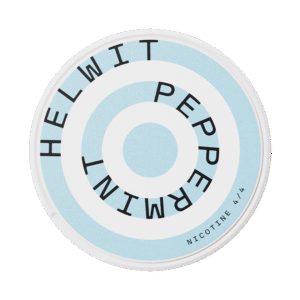
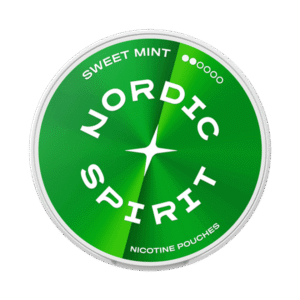
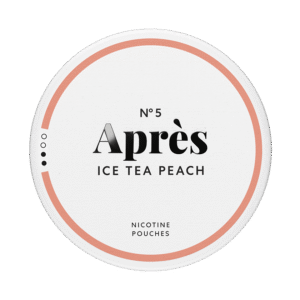
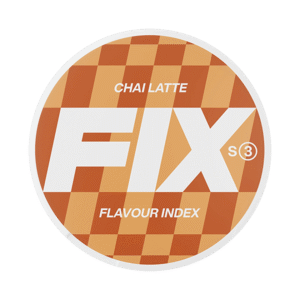
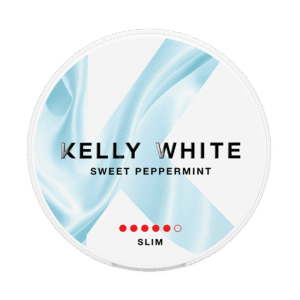
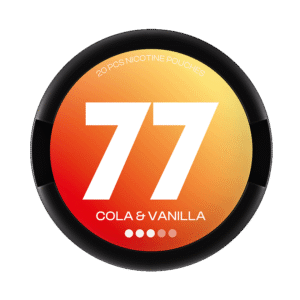
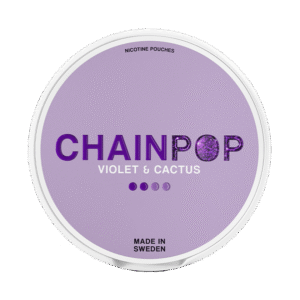
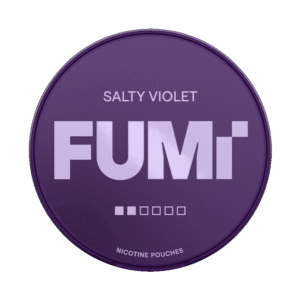
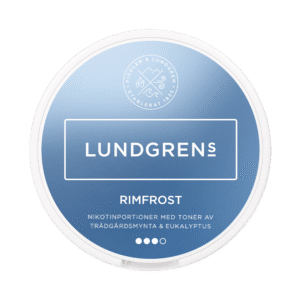
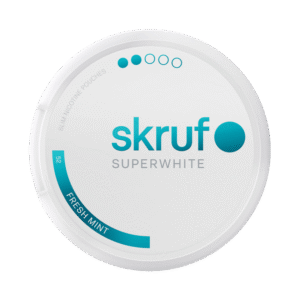
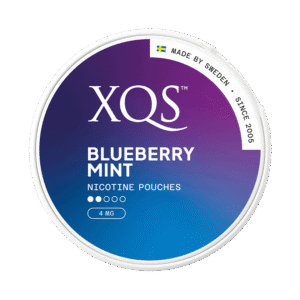
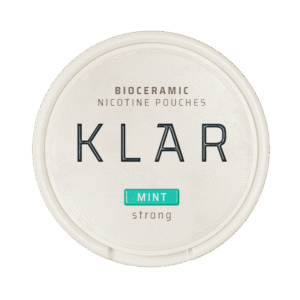
- Brand and product name — identity, and usually the flavour headline (“Cool Mint”, “Tropical Mango”).
- Strength number — the key fact: milligrams of nicotine, normally per pouch on modern cans. If the unit reads /g, you are looking at a concentration instead — the difference is explained in mg per pouch vs mg/g.
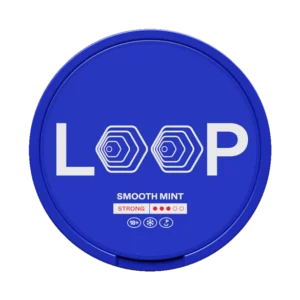
- Dot or bar scale — the brand’s own strength shorthand. Useful within one brand, meaningless across brands: two dots at one house can equal three at another. The milligram number is the comparable truth, as covered in understanding strength.
- Format word — slim, mini or regular, sometimes small print near the name. Absent? The product is usually the brand’s default slim.
The back and rim: the fine print that matters
- Warning text — the mandatory nicotine warning. Its exact wording and size vary with local rules; its presence is one of the quickest authenticity checks a can offers.
- Pouch count — how many pouches the can holds. Two cans at the same price with different counts are not the same price.
- Ingredients list — fillers, nicotine, flavourings, sweeteners; the general recipe is described in our category introduction.
- Best-before date and batch code — usually printed on the base. Pouches are a fresh-ish product: an old can loses moisture, comfort and flavour before anything looks wrong.
- Manufacturer details — who actually makes the product and where to reach them.
The ten-second read
With the elements known, a practical reading order: strength number → format word → flavour name → pouch count → best-before date. That sequence answers, in order: is this my level, my size, my taste, a fair price, and fresh? Ten seconds, five facts, no decoding — and it works identically on a can of any brand you are comparing.
When the can changes
Brands redesign packaging periodically, and a familiar product in an unfamiliar can raises fair questions — did the strength change, or just the artwork? What to look for when a brand updates its packaging covers exactly how to re-verify a redesigned can against what you knew.
Key takeaways
- Every can answers five questions: strength, format, flavour, count, freshness.
- Trust the milligram number; treat dot scales as brand-internal shorthand.
- Check the unit — per pouch and per gram are different measures.
- The best-before date on the base is worth the three seconds it takes to find.