























How to compare nicotine pouch brands and ranges
A brand-agnostic method for comparing nicotine pouch ranges on the axes that matter: strength coverage, format, flavour breadth, consistency and clarity.
Brand comparisons in this category are usually written backwards: pick a winner, then find reasons. This guide does the opposite — it gives you the comparison method, so you can evaluate any brand’s range against your own needs and reach your own verdict. The axes below work for every brand on the market, whichever cans end up in your hand.
First, compare ranges — not logos
A brand is a promise of consistency; a range is what you can actually buy. The productive question is rarely “which brand is best?” but “whose range covers what I need?” — and that turns brand comparison into five concrete checks.
The five axes
| Axis | The question to ask |
|---|---|
| Strength coverage | Does the range span from light to strong in usable steps — including the level you actually use, and the one below it? |
| Format options | Slim only, or genuine mini and regular choices too? |
| Flavour breadth | How many families beyond mint — and are they distinct profiles or one fruit note repeated? |
| Consistency | Do pouches feel the same can to can — moisture, fill, flavour arc? |
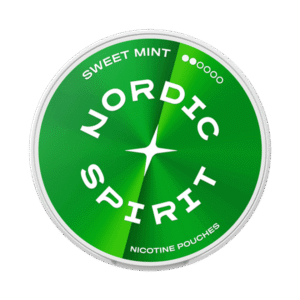
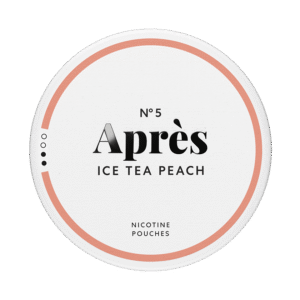
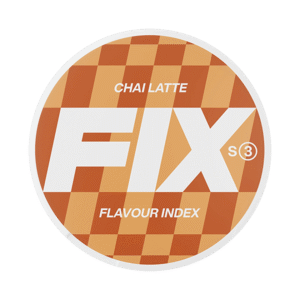
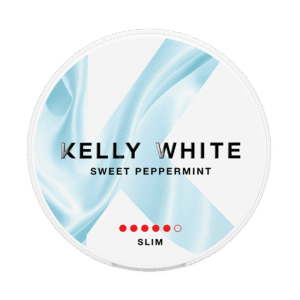
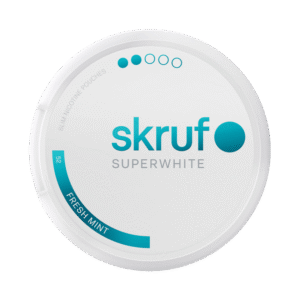
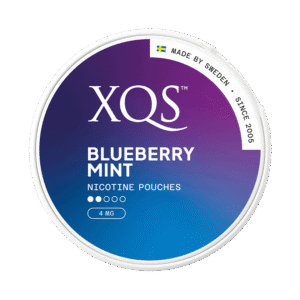
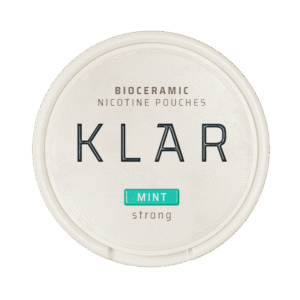
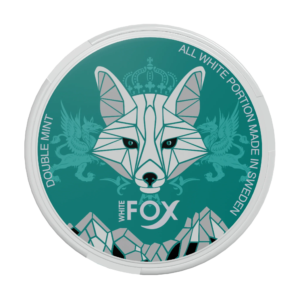
| Label clarity | Can you read strength, format and flavour from the can in seconds, without decoding? |
Strength coverage: the step-size test
Look at the milligram levels a range offers and the gaps between them. A range with sensible steps lets you fine-tune; a range that jumps from light straight to very strong forces a choice you may not want. Check that your level exists and the level below it — the one you’d step down to. What those numbers mean is covered in understanding strength; watch out for ranges that mix per-pouch and per-gram labelling, explained in mg per pouch vs mg/g.
Consistency: the axis you can only test by using
Specifications compare on paper; consistency compares in the mouth. Across a few cans of the same product, note whether moisture, fill level and the flavour arc hold steady. Established manufacturers tend to be strong here — process control is expensive and it shows — but the honest test is your own repeat experience, not reputation.
Label clarity and range legibility
A well-designed range is legible: you can tell at a shelf glance which can is stronger, which is mint, which is the mini format. Brands differ more here than anywhere else. Before comparing, learn what every can must tell you — how to read a nicotine pouch can is the ten-second literacy course — and treat a range you can’t decode as a mark against it. Note too that ranges are living things: products appear, reformulate and retire, for reasons unpacked in why ranges change over time.
Running the comparison for real
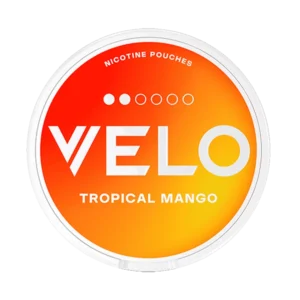
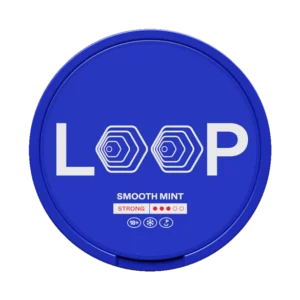
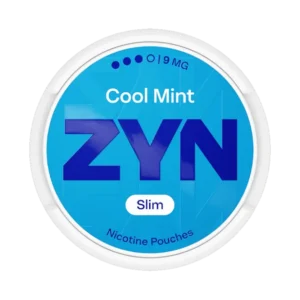
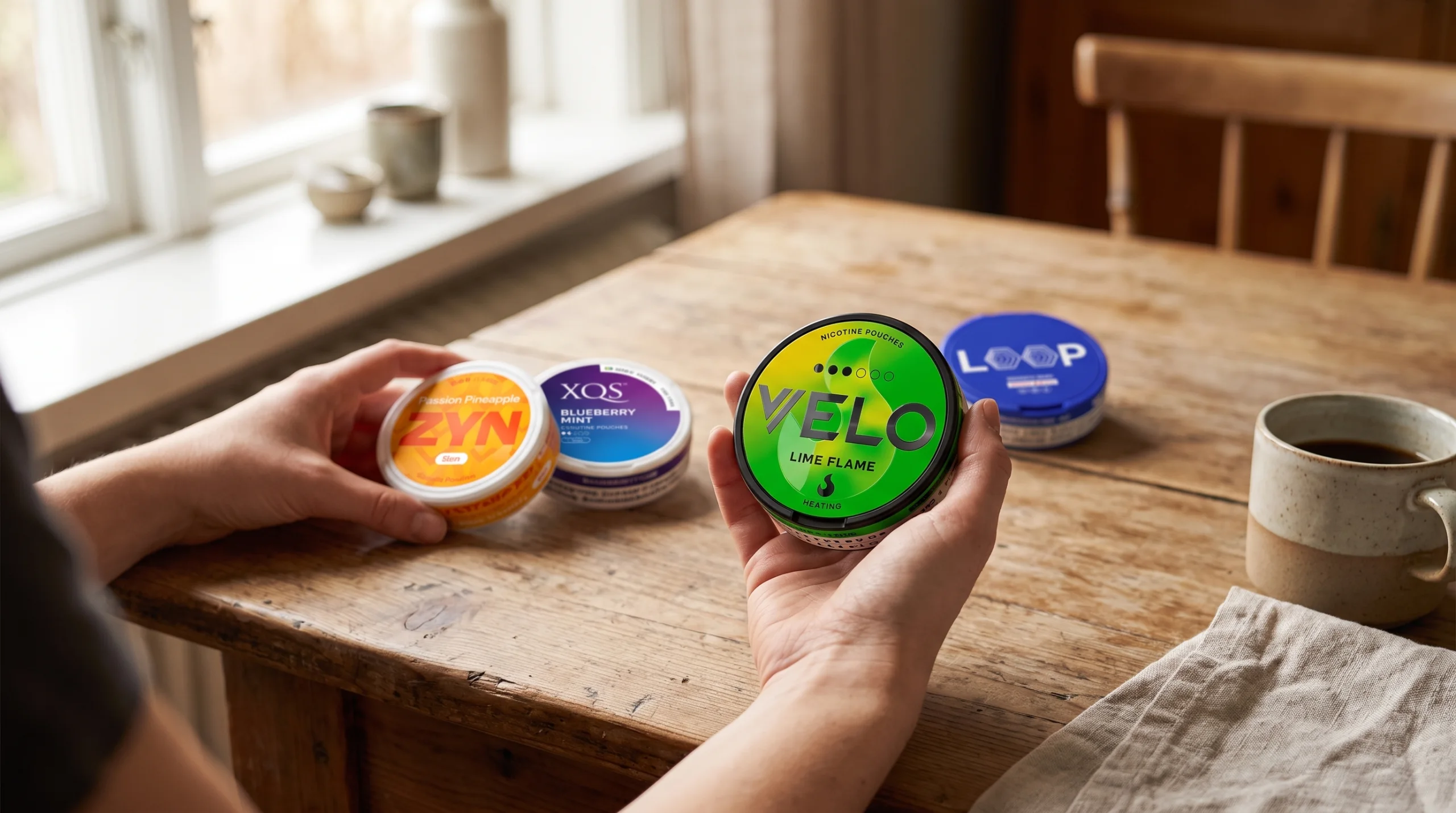
Pick two or three brands and one reference point: the same strength band and flavour family from each — say, a medium-strength mint in slim format. Matching the spec isolates the brand differences: what remains is consistency, flavour execution and comfort, which is exactly what you wanted to compare. You can put the method to work across the ranges on our brands page — VELO, ZYN, LOOP and XQS each carry a browsable range to compare like for like.
Key takeaways
- Compare ranges, not logos: strength coverage, formats, flavour breadth, consistency, label clarity.
- Check that a range offers your strength level and the step below it.
- Consistency only reveals itself across repeat cans — reputation is a hint, not a verdict.
- Compare like for like: same band, same family, same format across brands.