





















Understanding nicotine pouch strength
What the milligram number on a nicotine pouch can really means, how the strength bands relate to each other, and how to find the level that fits you.
Quick answer
The strength printed on a nicotine pouch can is the amount of nicotine in each individual pouch, in milligrams. Higher number, stronger effect. New users should start light; the strongest tiers exist for experienced users with an established tolerance.
Strength is the single most important thing on a nicotine pouch can, and also the most misread. This explainer covers what the number actually measures, how the strength bands relate to each other, why two “strong” products from different brands can feel different, and how to find — and occasionally adjust — your own level.
What the number measures
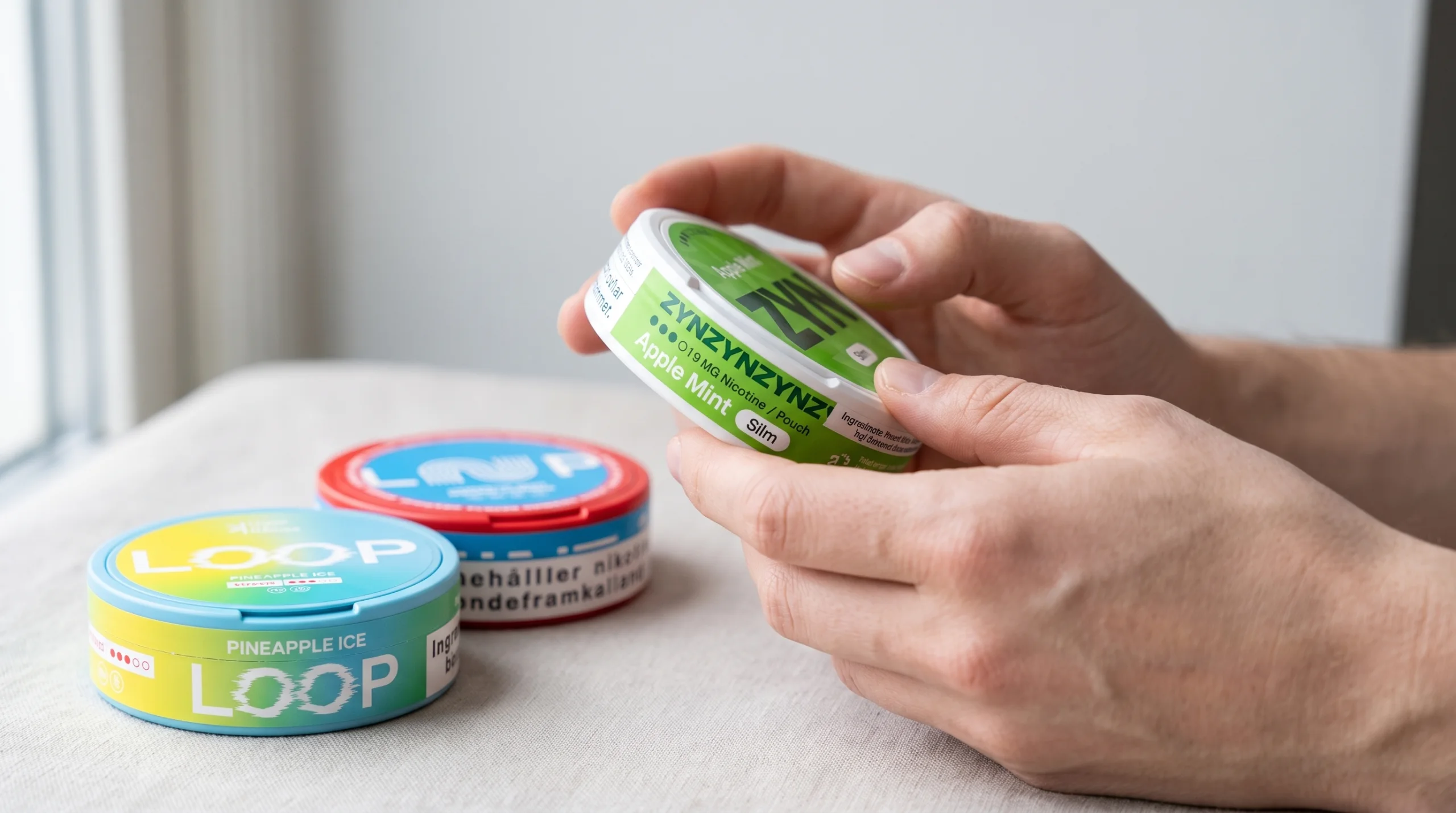
Modern cans state strength as milligrams of nicotine per pouch — the dose one pouch carries. A can labelled 6 mg contains pouches with six milligrams of nicotine each. This per-pouch figure is the number that matters for comparing products, because it describes what you actually put under your lip.
You will occasionally meet a second convention — nicotine per gram of pouch material (mg/g) — especially on older packaging or in technical descriptions. The two conventions are related but not interchangeable, and confusing them is the classic strength-reading mistake. We untangle it fully in mg per pouch vs mg/g: what is the difference?
The strength bands
Rather than memorising individual numbers, it helps to think in bands. PouchPick groups every product into four, and most of the market sorts naturally into the same shape:
| Band | Who it suits | What it feels like |
|---|---|---|
| Light · 1–6.9 mg | New users; occasional or light nicotine users | Gentle, low-commitment introduction to the format |
| Medium · 7–10.9 mg | The everyday middle of the market | Noticeable, balanced release most users settle on |
| Strong · 11–15.9 mg | Experienced users with established tolerance | Assertive release; too much for most beginners |
| Extra strong · 16+ mg | A deliberate choice for experienced heavy users only | The top of the scale — never a starting point |
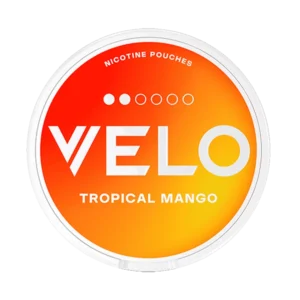
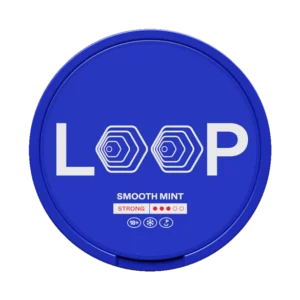
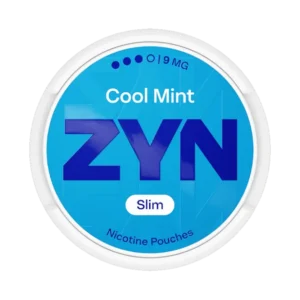
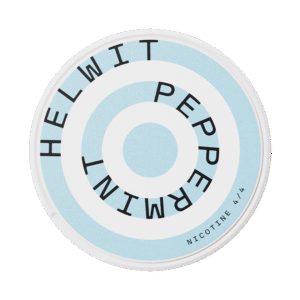
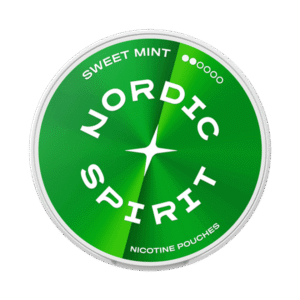
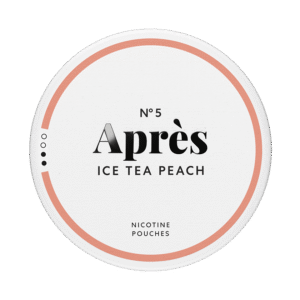
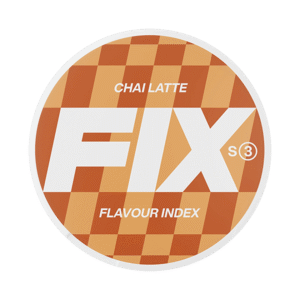
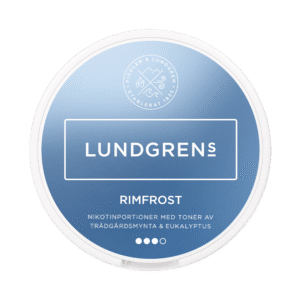
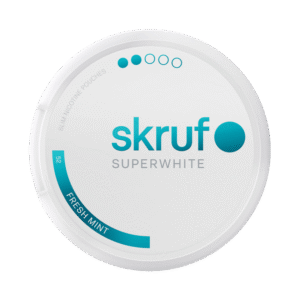
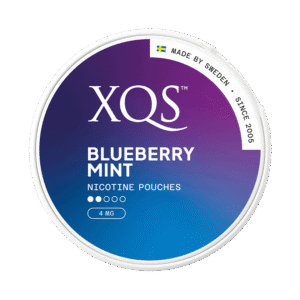
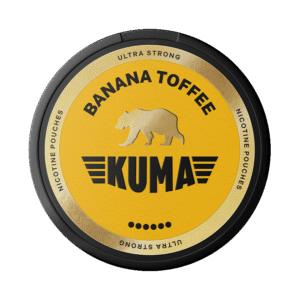
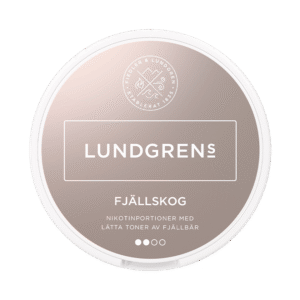
The bands are a reading aid, not a precision instrument: brands draw their own lines, and the dot scales printed on cans (two dots, three dots, four) are brand-relative, not an industry standard. Treat the milligram number as the truth and the dots as that brand’s shorthand for it.
Why the same number can feel different
Two 8 mg products from different brands will not necessarily feel identical. Several honest reasons:
- Release profile. Moisture content and pouch construction change how quickly nicotine releases — a fast-release pouch feels stronger early in the session than a slow-release one with the same total content.
- Flavour interaction. Strong cooling and sweet profiles tend to smooth over the sensation of strength rather than sharpen it — cooling agents have mild numbing properties, and sweetness masks nicotine’s bitter edge — so a heavily flavoured pouch can read milder than its number. The nicotine is the same, the experience is not.
- Format. A larger pouch spreads the same dose across more material and more contact area, which changes the feel. See formats explained.
- You. Tolerance, timing, even whether you’ve just eaten — personal factors move the experience more than most product differences do.
Finding your level
Nicotine pouches are for adults who already use nicotine. Nothing below is a recommendation to start.
The reliable method is boring and works: start one band lower than your instinct says, use a full can at a consistent rhythm, and only then adjust. Signals worth trusting:
- Stop first, then step down. If you feel lightheaded, nauseous or restless, remove the pouch and stop for the day; if it persists, seek medical advice. Lower bands exist for exactly this reason — and step down too if you find yourself cutting sessions short.
- Step up only if a full can at your current level consistently feels like nothing — not after a single underwhelming pouch.
- Stay put in every other case. Chasing intensity upward is how tolerance creeps; nicotine is addictive, and the comfortable-minimum principle is the sustainable one.
Key takeaways
- The can’s strength number is milligrams of nicotine per individual pouch.
- Think in four bands — light, medium, strong, extra strong (16+) — and treat brand dot scales as shorthand, not standards.
- Release speed, flavour and format all change how a given number feels.
- Start a band low, judge across a full can, and prefer the lowest strength that feels right.
Keep reading
New to the category entirely? How to use nicotine pouches covers the practical routine, and how to choose a nicotine pouch puts strength together with format and flavour into one decision path.
Sources
- Tobacco and nicotine poisoning — Poison Control — National Capital Poison Center (poison.org) Accessed September 28, 2026
- How to Use Nicotine Gum — Tips From Former Smokers — US Centers for Disease Control and Prevention (CDC) Accessed September 28, 2026
- Nicorette (nicotine polacrilex) lozenge — Drug Facts label — DailyMed, US National Library of Medicine / NIH (FDA-regulated OTC label) Accessed September 28, 2026
- Nicotine Is Why Tobacco Products Are Addictive — US Food and Drug Administration (FDA) Accessed September 28, 2026
- Pre- and Post-Flavor Ban Oral Nicotine Pouches: A Chemical, Sensory, and Young Adult Appeal Analysis — Tobacco Control (Peraza et al. — peer-reviewed, via PubMed Central) Accessed September 28, 2026
- Coolants, organic acids, flavourings and other additives that facilitate inhalation of tobacco and nicotine products: implications for regulation — Tobacco Control (Talhout & Leventhal, 2024 — peer-reviewed, via PubMed Central) Accessed September 28, 2026
- High-Intensity Sweeteners in Alternative Tobacco Products — Nicotine & Tobacco Research (Miao et al., 2016 — peer-reviewed) Accessed September 28, 2026
- Chemosensory Contributions of E-Cigarette Additives on Nicotine Use — Frontiers in Neuroscience (Johnson et al., 2022 — peer-reviewed, via PubMed Central) Accessed September 28, 2026
- ZYN Strengths Explained | Nicotine Pouch Strength Guide — ZYN — Swedish Match / Philip Morris International (manufacturer primary, UK site) Accessed September 28, 2026
- Nicotine Strength Guide — VELO — British American Tobacco (manufacturer primary, Ireland site) Accessed September 28, 2026
- Medium Strength Nicotine Pouches | 6-10mg | 3-4 Dot (Original range) — VELO — British American Tobacco (manufacturer primary, UK site) Accessed September 28, 2026
- Your Nordic Guide: Pouch Strengths & Flavours — Nordic Spirit — Japan Tobacco International (manufacturer primary, UK site) Accessed September 28, 2026